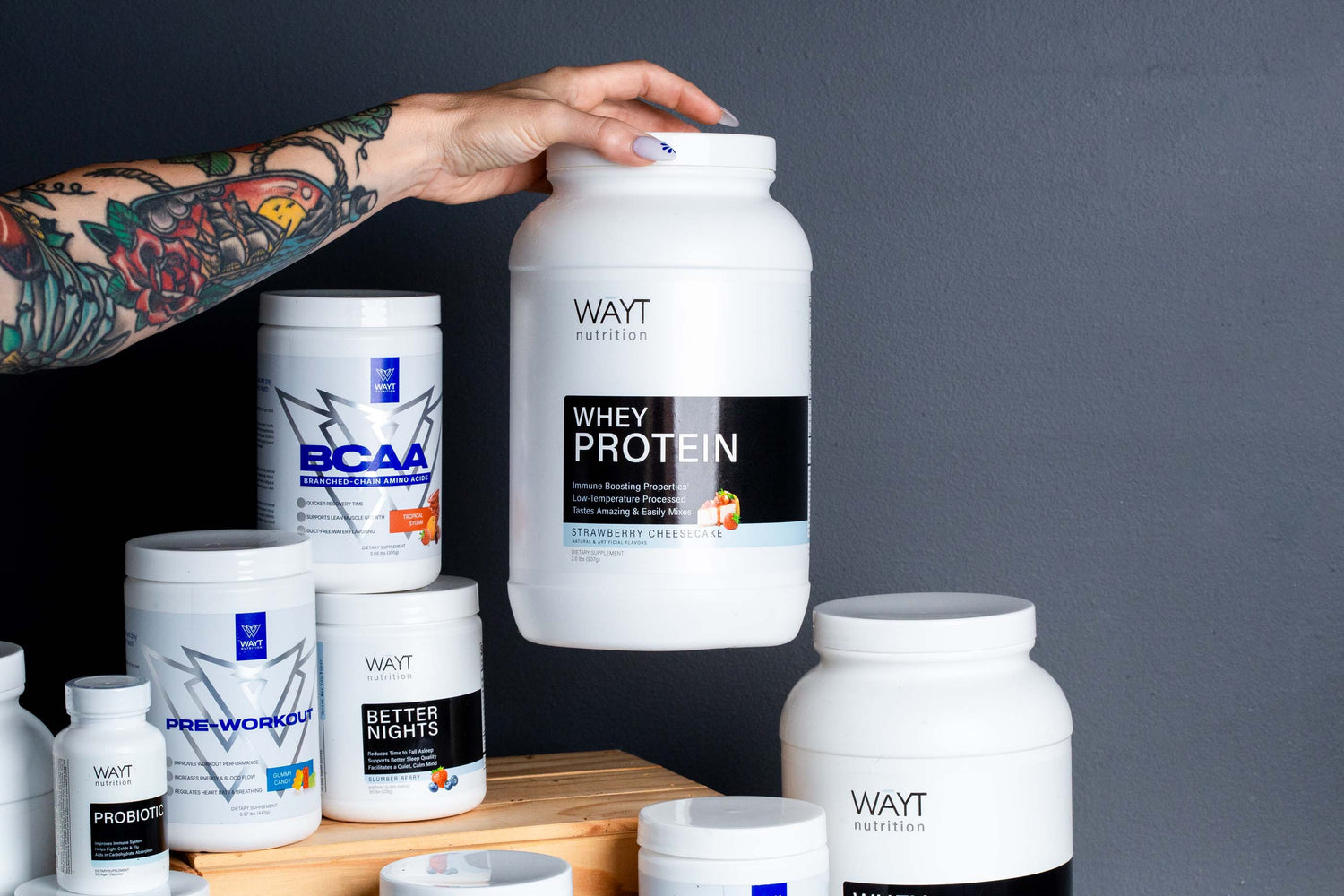
Protein powders have become a staple in many fitness enthusiasts' diets. They offer a convenient way to meet your protein needs, whether you're looking to build muscle, recover after a workout, or simply add extra protein to your meals. But with the multitude of options available, understanding the benefits and potential drawbacks can help you make informed decisions about your nutrition. Let's dive into the pros and cons of incorporating protein powders into your fitness regime.
Table of Contents
- Table of Contents
- Pros
- 1. Convenience
- 2. Quick Muscle Recovery
- 3. Easy to Digest
- 4. Customizable Nutrition
- Cons
- 1. Not a Whole Food Source
- 2. Potential Digestive Issues
- 3. Risk of Overconsumption
- 4. Quality Variations
Pros
1. Convenience
One of the major advantages of protein powders is their convenience. You can easily mix them with water or milk, making them an ideal option for a quick post-workout shake. For those on the go, the WAYT Shaker Bottle can make preparation even easier, ensuring you get your protein fix quickly and efficiently.
2. Quick Muscle Recovery
Protein is essential for muscle repair and growth. Consuming a protein shake after a workout can help speed up recovery. The amino acids in protein powders are readily absorbed, making them effective for quick muscle repair.
3. Easy to Digest
Many people find protein powders easier to digest than certain protein-rich foods. This can be especially beneficial after a workout when your body needs nutrients rapidly.
4. Customizable Nutrition
Protein powders come in various types, including whey, casein, soy, and plant-based options. This variety allows you to choose a powder that aligns with your dietary preferences and nutritional needs.
Cons
1. Not a Whole Food Source
While protein powders are nutrient-rich, they can't replace the range of nutrients found in whole foods. Relying too heavily on powders could lead to a lack of essential vitamins and minerals.
2. Potential Digestive Issues
Some individuals may experience digestive discomfort, such as bloating or gas, when consuming certain protein powders. It's important to choose a product that suits your digestive system.
3. Risk of Overconsumption
It's easy to overconsume protein when using powders, which can lead to unnecessary calorie intake and stress on the kidneys. It's important to balance protein powder intake with whole food sources.
4. Quality Variations
Not all protein powders are created equal. Some may contain additives or low-quality ingredients. Opt for reputable brands and check ingredient lists to ensure you’re getting a high-quality product.
Incorporating protein powders into your diet can be beneficial, provided you choose the right products and maintain a balanced nutrition plan. For those looking to support their workout routines, consider the Pre-Intra Workout Bundle from WAYT Nutrition, which complements your fitness goals with essential nutrients.
For more insights and product information, visit WAYT Nutrition.